
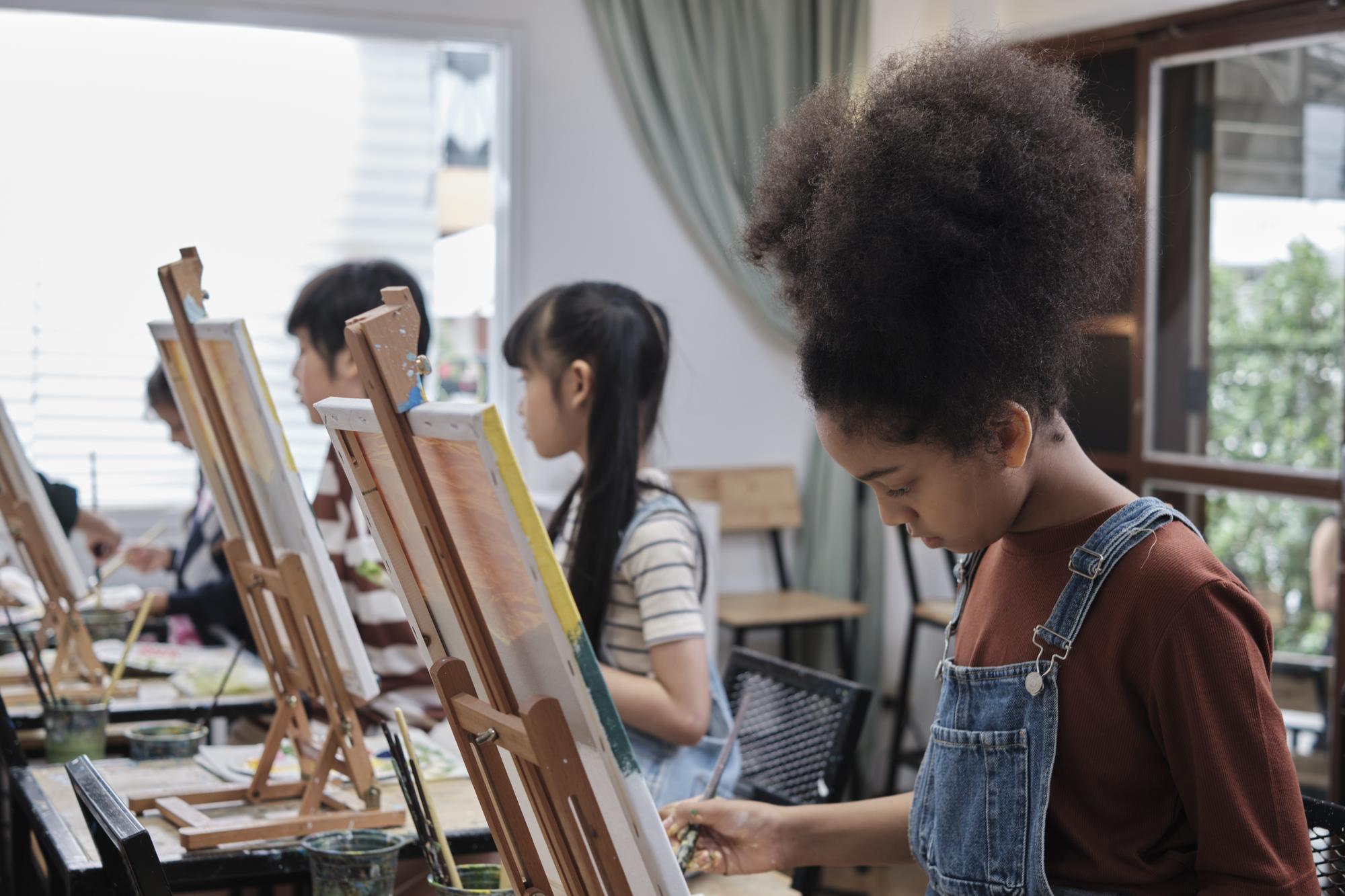
Reigniting Creativity: Elementary Art Curriculum Solutions

One of the key benefits of using a comprehensive Curriculum For Art Classes is that it eliminates the guesswork for teachers. Pre-planned lessons, material lists, and assessment tools save valuable time and resources, allowing educators to focus on nurturing students’ artistic talents. These programs often align with national and state standards, ensuring that art education is integrated seamlessly into the broader curriculum.
Benefits of a Structured Art Curriculum
A high-quality Art Curriculum For Elementary School can provide numerous benefits, including:
- Enhanced Creativity: Structured activities help children explore different artistic mediums and techniques, fostering their creative expression.
- Improved Problem-Solving Skills: Art projects require students to think critically and creatively to overcome challenges.
- Increased Emotional Intelligence: Artistic expression allows children to explore and communicate their emotions in a healthy and constructive way.
- Cultural Awareness: Learning about art from different cultures broadens students’ perspectives and promotes appreciation for diversity.
- Fine Motor Skills Development: Engaging in art activities helps children refine their fine motor skills and hand-eye coordination.
For schools seeking to offer enrichment programs beyond the regular school day, an After School Art Program provides a fantastic opportunity for students to further develop their artistic skills and explore their creativity in a fun and supportive environment. These programs often feature specialized projects and activities that cater to students’ individual interests and talents.
During the summer months, Summer School Art Programs can provide a valuable learning experience for students of all ages. These programs offer a unique opportunity to engage in intensive art projects and explore new mediums, fostering creativity and building confidence. Summer programs can also help prevent summer learning loss and keep students engaged in a stimulating learning environment.
Finding the Right Art Curriculum
When selecting an Art Curriculum For Elementary School, it’s important to consider the specific needs and goals of your students and school. Look for programs that are:
- Age-appropriate and engaging
- Aligned with national and state standards
- Comprehensive and well-structured
- Flexible and adaptable to different learning styles
- Supported by high-quality resources and materials
Many providers offer sample lessons and trial periods, allowing you to evaluate the curriculum before making a commitment. Don’t hesitate to reach out to other educators and seek their recommendations for successful art programs.
By prioritizing art education and implementing effective Art Lessons For Elementary School, we can reignite creativity in our classrooms and empower students to become innovative thinkers, problem-solvers, and artists of the future. The benefits of a strong art program extend far beyond the classroom, shaping students’ lives in profound and meaningful ways.